JABIRU J160C
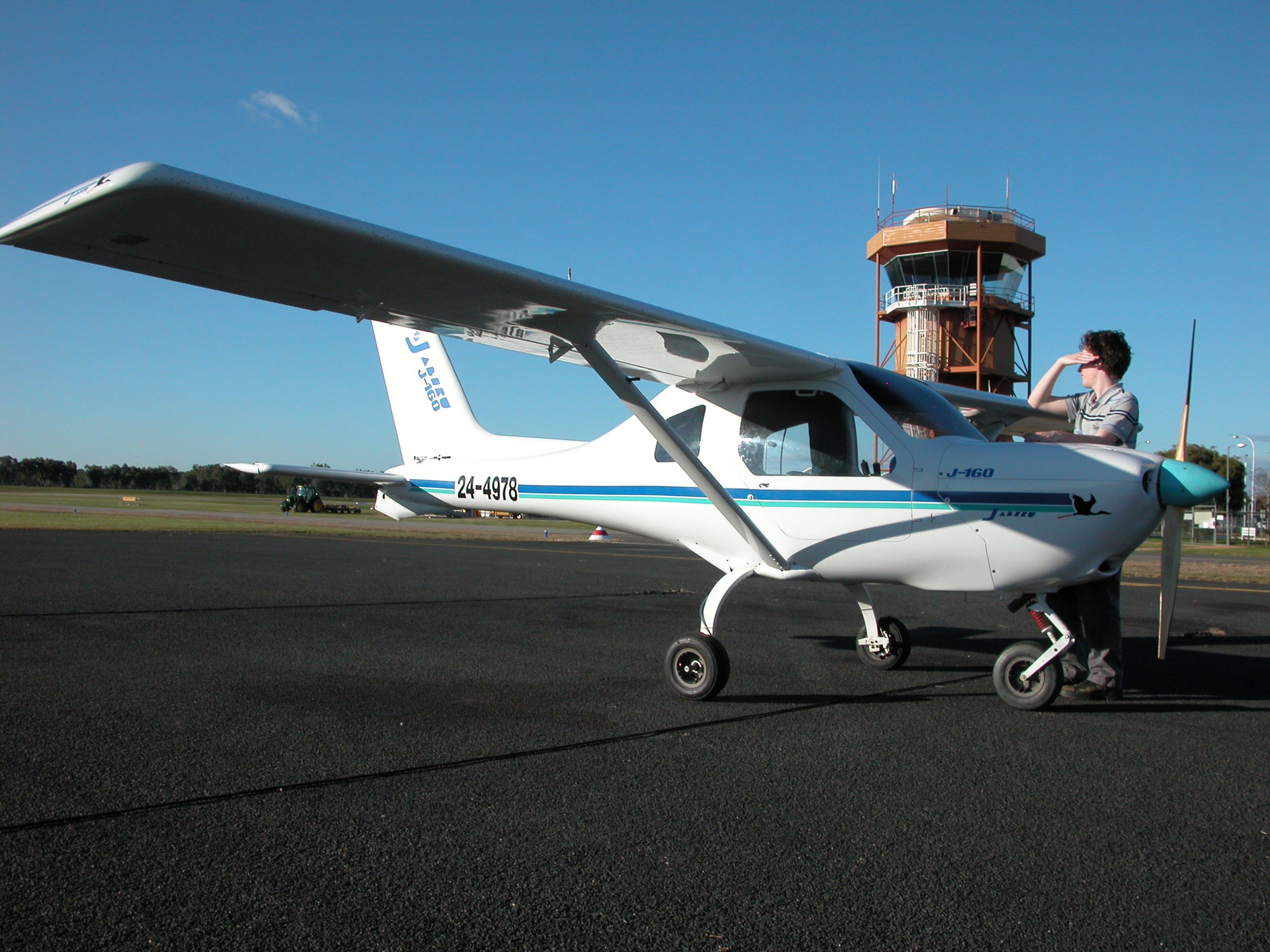


This is Jabiru's purpose built training aircraft. As flying machines go, it is a solidly built little puppy, another famous product of Bundaberg.
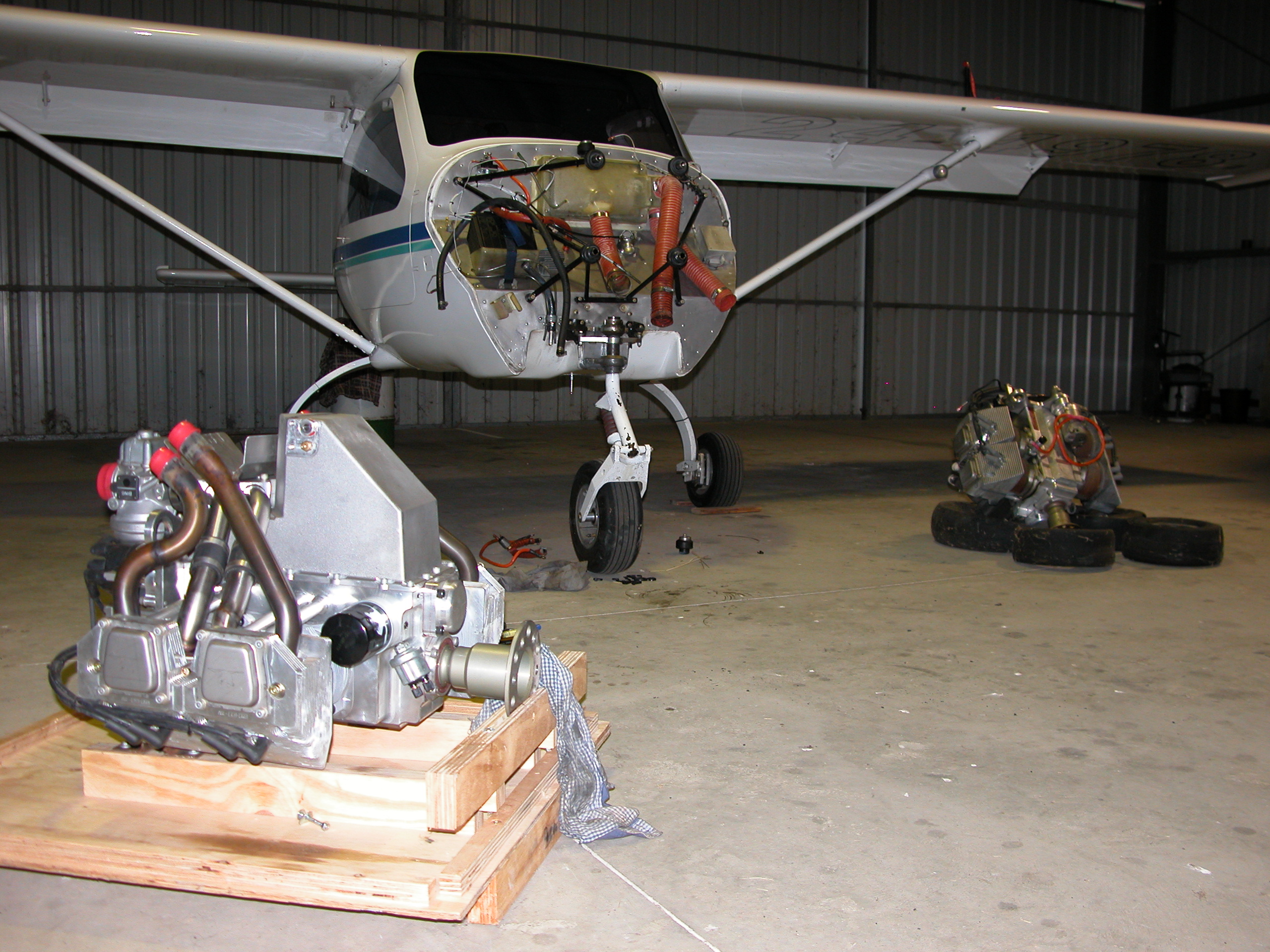
The airframe is made of fibreglass and epoxy resin, cured at ambient temperatures. Total Jabiru production is now more than 2,000 airframes over a thirty year history. Uniquely, Jabiru make their own power plants. The J160 has the four cylinder, 80 horsepower model.
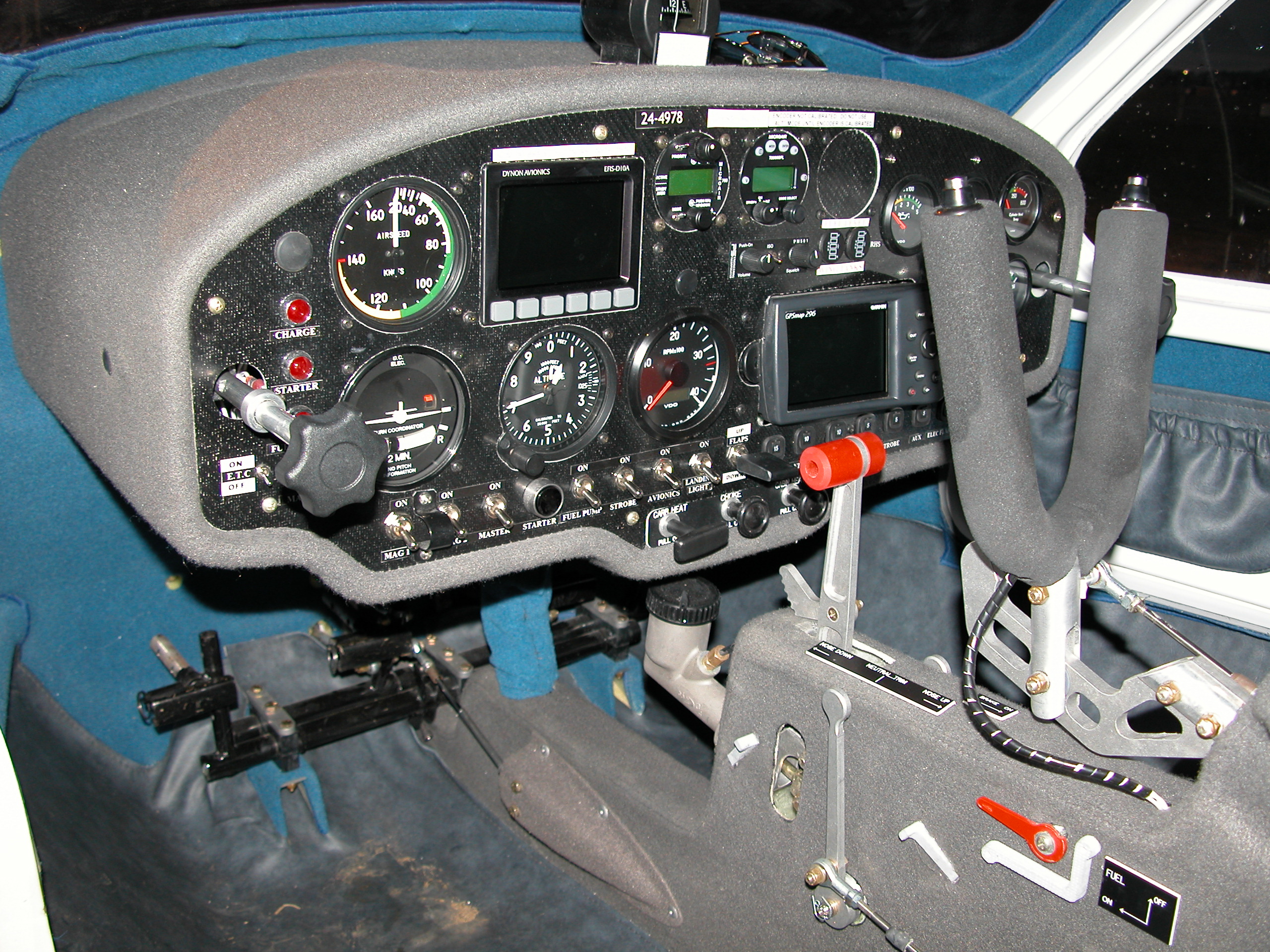
Our J160 is has a Microair VHF radio. A Microair mode C transponder is fitted, plus an ADSB device, so our aircraft can automatically trigger the collision avoidance systems fitted to REX and QANTAS aircraft that frequent Wagga.
The panel features a Dynon Electronic Flight Information Screen plus analogue instruments.
A Garmin GPSMAP296 is fitted, to assist navigation or just to play
with.
SOME NUMBERS for flying the J160C
Max. Manoeuvre (Va) harsh turns and serious turbulence……………...102 kts Note: 100 kts = 185 kphNever Exceed (Vne) ……………………………………………………..140 kts
Max Structural (Vno) exceed only in smooth air………………………..112 kts
Max Flap Extension (Vfe)………………………………………………...84 kts
Take-off Safety Speed (achieve this by 50 feet AGL)……………………66 kts
Climb out (flaps in take-off position)……………….…………………….70 kts
Climb (flaps up)……………………………………………………...70 – 80 kts
Best glide distance (still air, flaps up )……………………………………..65 - 70 kts
Final landing approach (Vref) flaps full down…………………………… 63 kts
Demonstrated crosswind component (take-off/landing ) ………………….14 kts
Baggage stowed against rear of seats below seat back (per seat)…………18 kgs
Useable fuel capacity……………………126 lit (physically confirmed on this aircraft)
Fuel type..............100/130 AVGAS or Premium Unleaded motor spirit of 95 RON octane or better
Engine oil type.....any aviation grade oil for air cooled motors.
Engine oil capacity.........approx. 2.0 litres
The following fuel flow rates are OK for conservative flight planning purposes. PAGE LAST UPDATE 27/2/2023
RPM FUEL FLOW TRUE AIRSPEED2800…………………….15 lit/hour…………………….90 kts
3000…………………….17 lit/hour…………………….95 kts
Full throttle fuel flow is around 26 lit/hour.
The carburettor is a BING altitude compensating type. No manual mixture control is fitted as the BING will automatically adjust the fuel flow to keep air/AVGAS mixture close as air density changes.